May 12, 2026

Dr. Will's on Funding Retail Growth Without Losing Control

"It might be hard to raise a £1m round, but you might be able to raise £500k and then put a couple of facilities in place that get you to a similar position. That's what I would do."

Liam White

Co Founder

at

Dr. Will's

Industry

Food & Beverages

Customer since

2024

The Journey to the Shelf

Most “overnight successes” in grocery are years in the making.

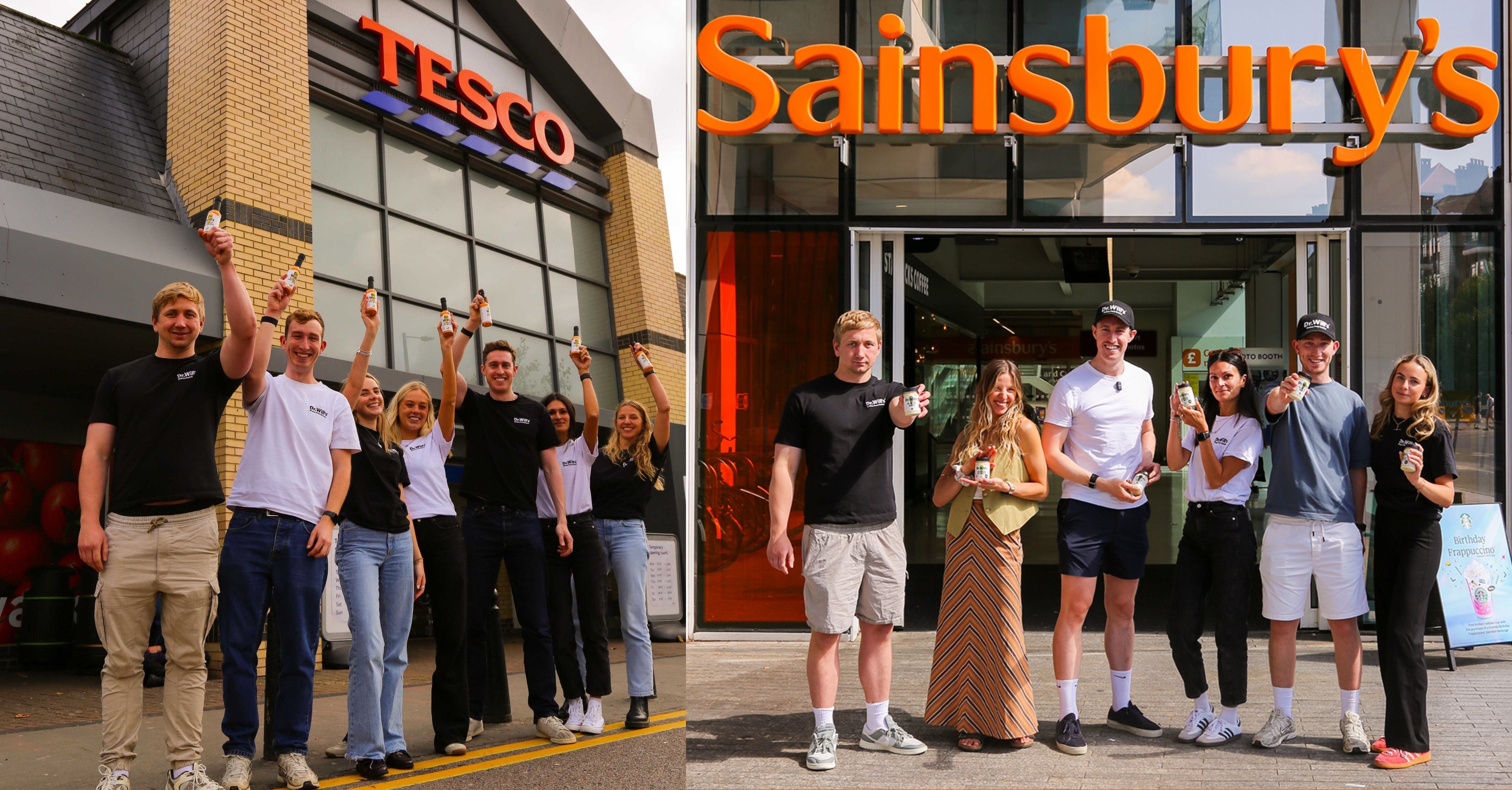
Dr. Will's has secured national listings with Tesco, Waitrose and Sainsbury's, but retail listings aren’t designed to be quick and easy. It’s patience and structure that wins. And the rewards come to the brands that keep showing up.

From the outside, a listing appears to be a single breakthrough moment.
From the inside, it’s usually the result of years of persistence.

Everyone only sees the launches, the success and the posts once you've got into retail. But actually it takes ages. It took us three years from our first meeting with Tesco to actually getting into Tesco, and during that period we had COVID, so there were so many challenges throughout. You very rarely see what's actually happening on the inside.

- Liam, Co Founder, Dr. Will’s

The Call That Changes Everything

When the green light finally comes, it feels big.

The volumes are bigger.
The reach is national.
The opportunity is real.

But so is the pressure.

Because in grocery, cash rarely moves at the same speed as growth.

You produce at scale.
You ship.
You support promotional windows.
And then you wait to be paid….

As Guinness so famously told us good things come to those who wait… but waiting for cash as a founder is easier said than done. 

For founders, this is the moment that tests the business not the listing announcement, but the weeks that follow it.

We absolutely try to take a moment to celebrate getting listed, but it's a misconception that you've done the work before you get listed. It's really tough to get listed, but the real work starts once you get in. You have to build the rate of sale, and you also have to make everything work mechanically in terms of being able to produce the volumes and being able to make the product pop off the shelf.

- Liam, Co Founder, Dr. Will’s

The Financial Reality Nobody Talks About

Retail Listings Are Capital Events

What many early-stage food brands underestimate is this:

A supermarket “yes” isn’t just distribution. It’s a working capital event.

Production ramps up overnight. Supplier invoices get larger. Cash cycles stretch.

Many founders instinctively turn to equity at this point. Growth justifies a raise. But equity used purely to fund stock is permanent, long after those units have sold through.

Dr. Will's took a different view.

Rather than dilute to fund operational growth, Liam partnered with Kikin to finance manufacturing runs, purchase orders and retail cycles in a way that matched the rhythm of grocery.

Cash in the bank is the most important thing, and it's notoriously tricky to get bank loans and finance support as an early-stage business that isn't yet profitable. Kikin are great because tools like theirs enable you to finance some of those big, increasingly larger production orders as the months go by. That allows you to scale in the early days, and I'm very grateful tools like this exist, because that's exactly what you need. Having cash in the bank, and knowing you're able to fund the growth, is a huge thing. Often your business is scaling really nicely, you're growing sales, but that can mean your working capital and the cash required is actually getting larger and larger, which is contrary to what people often think.

- Liam, Co Founder, Dr. Will’s

It wasn’t about avoiding growth capital.
It was about separating strategic equity from operational funding.

Years to Unlock. Weeks to Deliver.

Retail can take years to unlock but once unlocked, execution is immediate.

The brands that survive this stage aren’t always the loudest or the fastest growing. They’re the ones prepared for the cash-flow reality that follows the listing.

With structured working capital behind it, Dr. Will's could strengthen supplier relationships rather than stretch them and launch with confidence. 

Growth felt deliberate instead of reactive.

My main piece of advice for founders approaching listings is: in that period before you launch, get everything you can sorted and organised. That's the branding and the product. Make your product amazing, improve the flavour, improve the branding, make sure it's going to stand out on shelf and the consumer is going to understand it.
And the back end. Make sure you have facilities like this in place, your cash flow schedule organised, a credit limit with your manufacturer, your back office under control, and a process for tracking performance. A P&L in place, ideally a management accounts process so you can track profitability by listing. You want to know: okay, we're selling a bunch of stuff in Tesco, but is it actually profitable? Get your house in order. Use that period of time before you launch to get your house in order.

- Liam, Co Founder, Dr. Will’s

Q&A

The Founder View

Why did you start Dr. Will's? What was the original idea?

The idea came from my business partner Will. His mum was a nursery school teacher, and she was watching parents trying to get their kids to eat their vegetables by covering them in sugary ketchup and barbecue sauce. She kept coming to him and saying, "There must be something healthier." In parallel, my mum is a food writer, so I grew up surrounded by great-tasting food. I was also an athlete, so I was always very conscious of what I was putting in my body.

In the early days, what problem were you trying to solve that the big brands weren’t?

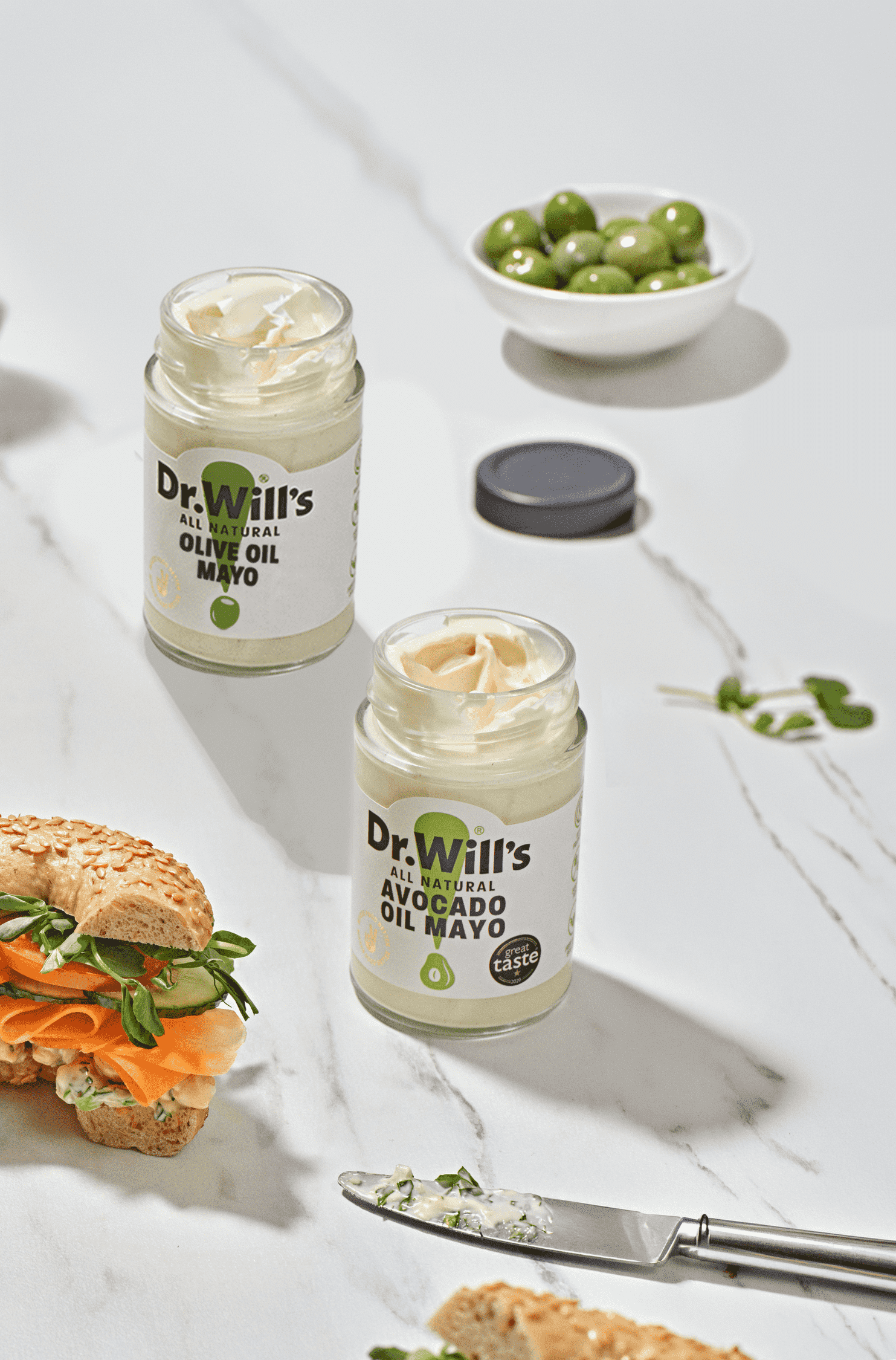
We were seeing much more condiment innovation in the US. People were eating regional barbecue sauces with different flavour profiles, hot sauces with different chilli types and all sorts of funky ingredients. Avocado and olive oil mayo were a thing: seed oil-free condiments that weren't packed with sugar, using dates instead. We married all those things together because we wanted to create something that tasted amazing but didn't compromise on flavour, and that all starts with ingredients. Make condiments with amazing ingredients and they're going to taste great and also be better for you. That was the problem we were trying to solve that the big brands weren't.

It can take years to secure national retail listings. What did that journey actually look like for you?

It took us three years to get into retail. We launched the business in 2017 and got into Tesco and Waitrose at the end of 2020. In that period, we did lots of food service stuff, selling to cafés, delis and indies, building the business in parallel with trying to land a retail listing. There were millions of setbacks, but it gave us time to get things right: to do a rebrand, to make our point of difference clearer, to make our products stand out on shelf. We did loads and loads of work on the product. Actually that was a blessing, because we probably weren't ready in those early days. If we had launched in 2017, I'm not sure we'd have made it work.

When the first large PO came in, what surprised you most about the financial reality of scaling into Tesco, Waitrose and Sainsbury’s?

You're selling much more stuff than you were previously, which feels amazing, but actually that can cause you a bigger problem. I now understand it very intricately, but in the early days it was hard to understand how we were selling more stuff yet our cash was being absorbed more and more, because we had a negative working capital cycle.

At what point did you realise working capital would become as important as brand building?

I realised very early on that it was going to become just as important, particularly in the tricky UK fundraising environment. Working capital management is so, so important. I'm all over it with every founder I talk to now who's scaling into retail, making sure they're on top of it, getting solutions in place, and making sure they understand the working capital impacts.

Many founders default to raising equity to fund retail expansion. What made you think differently?

I think you need to do both. I don't see these kinds of facilities as a substitute for equity. They massively boost it, and that's the way I look at it. You will need to raise some equity to boost cash in the bank, but if you can use some of these facilities to ensure the equity is being used to grow the business (i.e. marketing spend, building out the team, etc.), and use debt or facilities like this to kick in and extend your payment terms with your manufacturer, that essentially makes every bit of money you raise go a lot further. It might be hard to raise a £1m round, but you might be able to raise £500k and then put a couple of facilities in place that get you to a similar position. That's what I would do.

What advice would you give to a food founder who gets that call from a major retailer tomorrow?

The things I'd say are:

  • Use that period to get everything right on your brand and the outward-facing stuff. Make your product amazing, both in how you communicate to the consumer and on flavour and your selling points.
  • Get your supply chain and back office in place.
  • Get your working capital facilities nailed down, so when you launch, you're ready to spend your time on the fun stuff: the sales, the marketing, the growth.

You don't want to be spending your time deep in the cash flow spreadsheet. Unfortunately, you probably will, but you want to limit that as much as possible by getting prepared in advance.

The Right Funding Changes Everything

Scaling on Your Own Terms

For Dr. Will's, growth into national retail wasn’t just about distribution. It was about building the financial structure to support that growth properly, without rushing into dilution or destabilising supplier relationships.

The “overnight success” narrative is appealing.

Kikin works with brands at that exact inflexion point: when growth accelerates, purchase orders get bigger, and the stakes rise. The right funding doesn’t just unlock scale, it helps protect ownership, strengthen relationships and turn retail momentum into sustainable progress.

Sound like a story you know?

Scaling is hard enough. Your funding shouldn't make it harder. Find out what smarter capital looks like for your business.

Explore your funding options