June 25, 2026

We Had to Prove the Category Before We Could Scale It.

"I knew that Laylo needed to be different in every single respect. Yes, it needed to taste amazing, but it also needed to look and feel luxurious. As though it was a beautiful product in its own right, not apologising for not being a glass bottle."

Laura Riches

Founder

at

Laylo

Industry

Food & Beverages

Customer Since

2025

Challenging Bottles

Building a wine brand is difficult. Convincing people that great wine doesn’t need a glass bottle was something else entirely.

Most startups spend their early years proving their product.

Laylo spent its early years proving a belief.

We sat down with Laura Riches, Founder and CEO of Laylo, to discuss what it takes to build a premium wine brand around a format consumers had already written off, why changing behaviour is often harder than building a product, and how growth looks when you're not just scaling a company but challenging an entire industry’s assumptions.

When Laura launched Laylo in 2020, the challenge wasn’t sourcing great wine.

The challenge was convincing people that great wine could come in a box.

For decades, boxed wine had developed a reputation problem. Consumers associated it with compromise: cheap supermarket wine, lower quality products and something you bought purely for convenience. The format itself had become the issue.

The irony was that much of what consumers believed simply wasn’t true anymore.

Packaging technology had improved dramatically. Wine could stay fresh for up to six weeks after opening. Alternative formats generated significantly lower carbon emissions than glass bottles. And perhaps most importantly, there was no technical reason the wine itself had to be any worse.

Laura realised the problem wasn’t the product.

It was perception.

“I’d been working in the wine industry for years and didn’t realise you could make great quality boxed wine. That wasn’t a product development challenge. It was a marketing challenge… Which was so exciting!”

That insight became the foundation of Laylo.

Not simply creating another wine brand, but rebuilding trust in an entire category.

Wine Was Changing. The Industry Wasn’t.

One of the interesting things about Laylo is that it wasn’t built around a winemaking innovation.

It was built around a consumer behaviour shift.

People were increasingly drinking wine differently. They wanted a glass on a Wednesday evening without feeling obliged to finish a bottle. They wanted convenience without sacrificing quality. They cared more about sustainability. They wanted products that fit around modern lifestyles rather than forcing old habits.

Yet much of the wine industry still revolved around traditions that hadn’t meaningfully changed in decades.

Glass bottles remained the default. Packaging was treated as a given. Consumers were expected to adapt to the format rather than the format adapting to consumers.

Laura saw an opportunity inside that disconnect.

The question wasn’t whether consumers would accept alternative packaging.

The question was whether somebody could make it feel premium.

“The biggest wine brand in the world, Franzia, is a boxed wine brand. But that’s because it’s extremely cheap… I’m not interested in cheap plonk. Wine, in whatever format, should be a gorgeous experience.”

Because ultimately, Laylo wasn’t trying to convince people to drink boxed wine.

It was trying to convince them there was a smarter way to drink wine altogether.

Great Wine Needed Better Packaging

One of the misconceptions around Laylo is that sustainability came first.

In reality, quality came first.

The business was built on the belief that consumers shouldn’t have to choose between great wine and better environmental outcomes.

Laylo works with independent producers and wine experts to source wines that stand on their own merits. The sustainability benefits matter, but only if the product itself delivers. As Laura has often said, the most important thing is that the wine tastes fantastic. The lower carbon footprint is the bonus.

That philosophy shaped the brand from the beginning.

The wines had to compete with bottles consumers would happily spend £12–15 on elsewhere. The design had to feel elevated enough to sit proudly on a kitchen counter or dinner table. Even the unboxing experience became part of the product itself.

“I knew that Laylo needed to be different in every single respect. Yes, it needed to taste amazing, but it also needed to look and feel luxurious. As though it was a beautiful product in its own right, not apologising for not being a glass bottle.”

Because every detail was helping challenge an assumption.
Selling Belief

Building Trust Before Building Scale

Most consumer businesses can focus on awareness.

Laylo had to focus on trust.

Customers weren’t comparing Laylo to other premium boxed wine brands. In many cases, they didn’t believe premium boxed wine existed at all.

That changed how the company approached growth.

Before expanding aggressively into retail and hospitality, Laylo focused heavily on direct-to-consumer. The goal wasn’t simply revenue. It was validation.

The business needed customers willing to take a chance on something unfamiliar, discover the quality exceeded expectations and then come back again.

“The amazing thing about D2C is having a direct relationship with your customers. I still regularly pick up the phone to ask people what they’ve liked, what can be improved, and how they feel about our products. The magic happens in those conversations!”

Because when you’re creating a category, repeat purchase behaviour becomes one of the strongest signals that the category itself is working.

The company wasn’t just measuring customer acquisition.

It was measuring belief.

Sustainability Became a Commercial Advantage

For years, sustainability was often positioned as a trade-off.

Consumers were expected to sacrifice convenience, quality or experience in exchange for making a better environmental choice.

Laylo challenged that idea.

The format wasn’t just more sustainable. It was often more practical.

Wine stayed fresh for six weeks instead of a few days. Customers could enjoy a single glass without waste. The packaging generated around 90% less carbon emissions than the equivalent amount of wine in glass bottles. The boxes were lighter, easier to transport and significantly more efficient to ship.

The more consumers understood the format, the more obvious the advantages became.

“I was always really inspired by the brands where sustainability is at the heart of everything, apart from the marketing! Nobody buys a Tesla because it’s environmentally friendly. They buy it because it’s really cool.”

One of the reasons Laylo resonates is because it doesn’t ask consumers to compromise.

It offers a better solution.

Financing Growth

Then Demand Creates a Different Challenge

Eventually, the conversation changes.

The early years were spent proving consumers wanted the product.

The next challenge was supporting that demand as it grew.

Like many consumer brands, Laylo found itself managing larger inventory commitments, more complex supply chains and increasing working capital requirements. Wine had to be sourced and packaged before it could be sold. Packaging had to be produced in advance. Larger opportunities required larger investments.

Growth created momentum.

It also created pressure.

“Before running a business, I only really considered finance from a P&L perspective, where COGS are accounted for alongside revenue. But the reality is obviously more complicated, with inventory needing to be paid for before the revenue is realised…”

Because scaling a consumer brand often means funding demand long before the revenue arrives.

Expanding the Category Without Losing the Mission

One of the more interesting developments in Laylo’s journey has been its move beyond boxed wine.

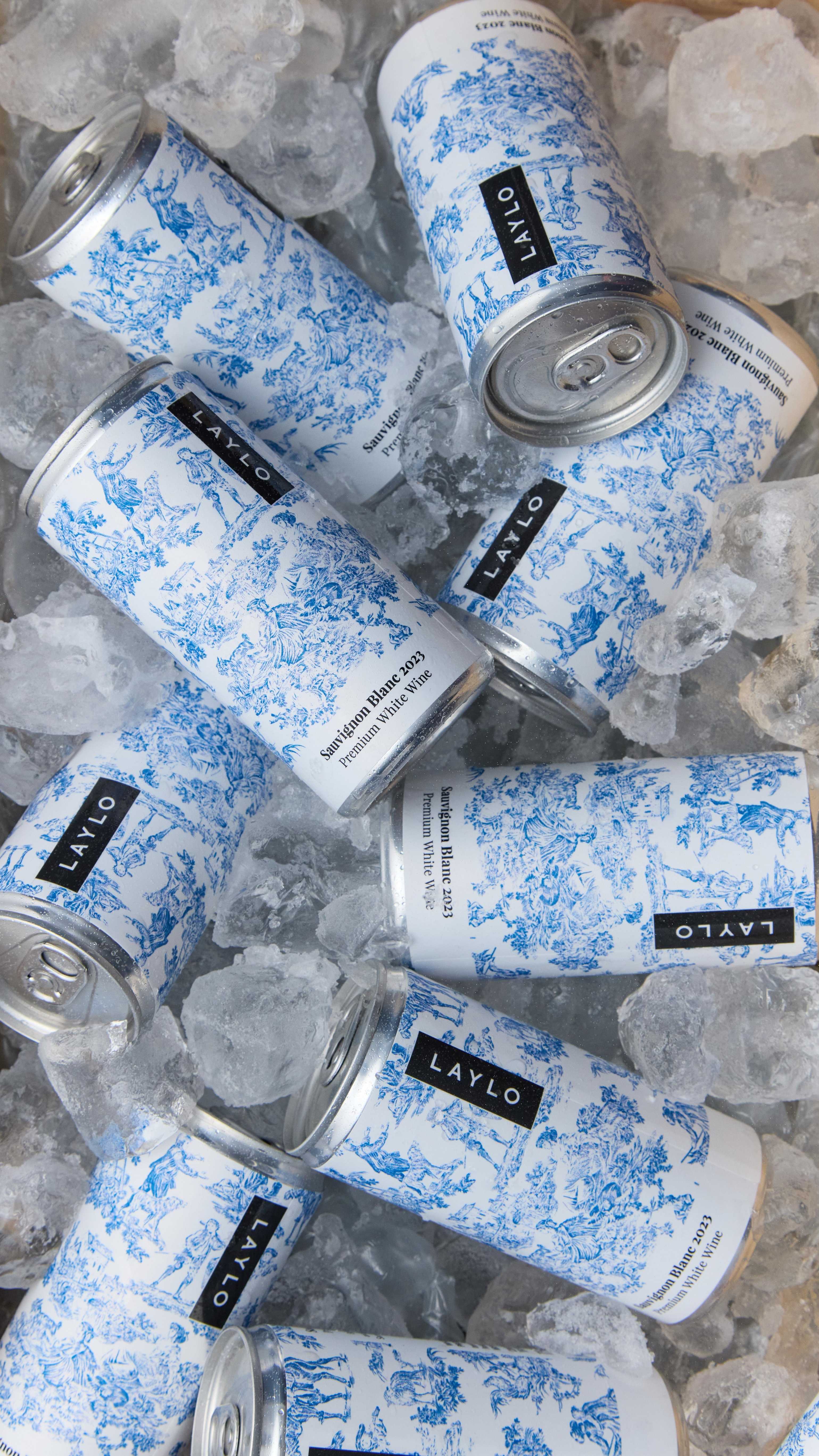
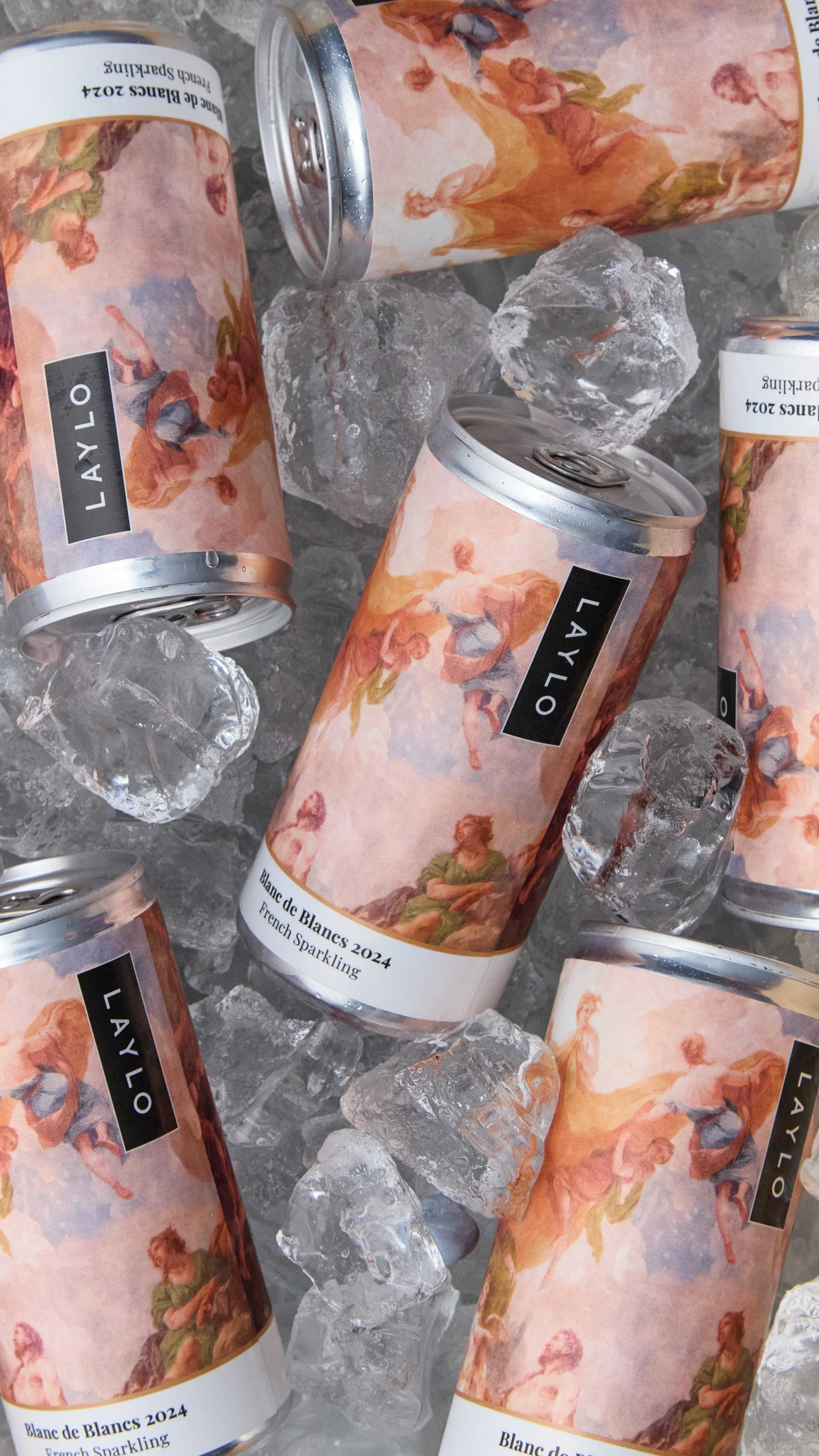
The launch of canned wines wasn’t a departure from the original vision. It was an extension of it.

The company has always been less interested in defending a particular format than in challenging outdated assumptions about how wine should be consumed. Boxes solved one occasion. Cans created another.

Both were built around the same underlying belief: that wine should fit around modern life.

“We realised from talking to our hospitality customers that cans were a better fit for them… Their fridges were already stocked with canned beers and soft drinks, which are quick and easy to serve. It made total sense for the same simplicity to be applied to the wine”.

The challenge for category-defining businesses is knowing when to stay focused and when to expand.

Too early and you lose clarity.

Too late and you miss the opportunity.

Laura Riches - Founder of Laylo

Laura Unfiltered

Founder Q&A

What was the original insight that led to Laylo?

I love ‘the odd glass’, but don’t necessarily want to finish a whole bottle over a couple of days. I was complaining about pouring away the dregs of a particularly delicious Pinot to a Master of Wine friend. He pointed out that we should all be drinking boxed wine… And after a bit of research, I agreed!

At what point did you realise the biggest challenge wasn’t the wine itself, but people’s perception of boxed wine?

It was when I saw the stats about international consumption of boxed wine. In the Nordics, where they have an alcohol monopoly, over 50% of wine is bought in boxes. In France over 30% of supermarket wine is sold in a box… But here in the UK the number is less than 5%. 

Why was it so important to build a premium brand rather than simply a sustainable one?

It’s been possible to buy cheap plonk in a box for decades, and that’s been many people’s experiences of it so far. But ultimately, that’s really limiting the potential of the format… My ambition to shift perception for genuine wine lovers, in the same way that Whispering Angel convinced us all to drink Provence Rose! 

How difficult was it to earn customer trust in the early days?

Getting people to spend £35 on 2.25L (three bottle equivalent) of wine that they have never tried before was always going to be tough. However, what’s been great is realising that the wine critics, people who really know their stuff, are also big advocates for boxed wine. We realised early on that we needed to build trust by working with the opinion-formers and experts, including the critics, wine influencers and our consultant Master of Wine Clem Yates.

Why did you focus so heavily on direct-to-consumer before scaling distribution?

The honest answer is, it’s what I knew. I had been the CMO of Naked Wines, the UK’s largest D2C wine retailer. But it’s also been an incredible way to test the concept, get feedback and grow our initial base of evangelical customers.

What surprised you most about building a category rather than simply launching a product?

How hard it is to get from 0 to 1! When you imagine launching a brand, it’s a big bang! The reality is many months and years of consistent hard work. It does make the loud moments, when they come, all the sweeter! 

At what point did working capital become a strategic focus for the business?

For us, it was when we started winning larger accounts such as the theatres, train lines and restaurant chains. Consistency of supply became crucial, so we needed to make sure we always had adequate stock on hand.

How do you think about balancing growth with maintaining quality and trust?

I think it’s being clear about where your product is a great fit, and brave enough to know when it’s not. When we first started selling B2B we felt like we had the whole world to pitch to!! However, it’s been the relationships where there’s real, indisputable product fit where we’ve grown in partnership. These are the accounts that understand our timelines, where the feedback is mutual and constructive, and where there aren’t any surprises even at times of high growth. 

What led to the decision to expand into canned wines?

It was walking into my third tender in a week, where the customer said “we love what Laylo is doing, but we’re really looking for cans…”

What advice would you give founders trying to change consumer behaviour rather than simply sell a product?

Don’t ask leading questions. Just listen to what your customers have to say… And be wiling to adapt. 

Scaling a Business Is Hard. Scaling Belief Is Harder.

For Laylo, the challenge was never simply building a wine company.

It was changing the way people think about wine itself.

The business had to prove that premium wine could exist outside a bottle. It had to challenge decades of consumer assumptions. And it had to build trust in a format people believed they already understood.

Only then could it begin to scale.

That’s often the reality for category-defining businesses.

Before you can grow the company, you have to grow belief in the category first.

Kikin works with brands at exactly this stage. When demand is growing, inventory commitments are increasing and working capital becomes critical to unlocking the next phase of growth, the right funding doesn’t just support expansion.

It helps businesses continue building the future they set out to prove was possible.

Sound like a story you know?

Scaling is hard enough. Your funding shouldn't make it harder. Find out what smarter capital looks like for your business.

Explore your funding options